|

.png)
Student Housing
#1 Student Lettings Agency
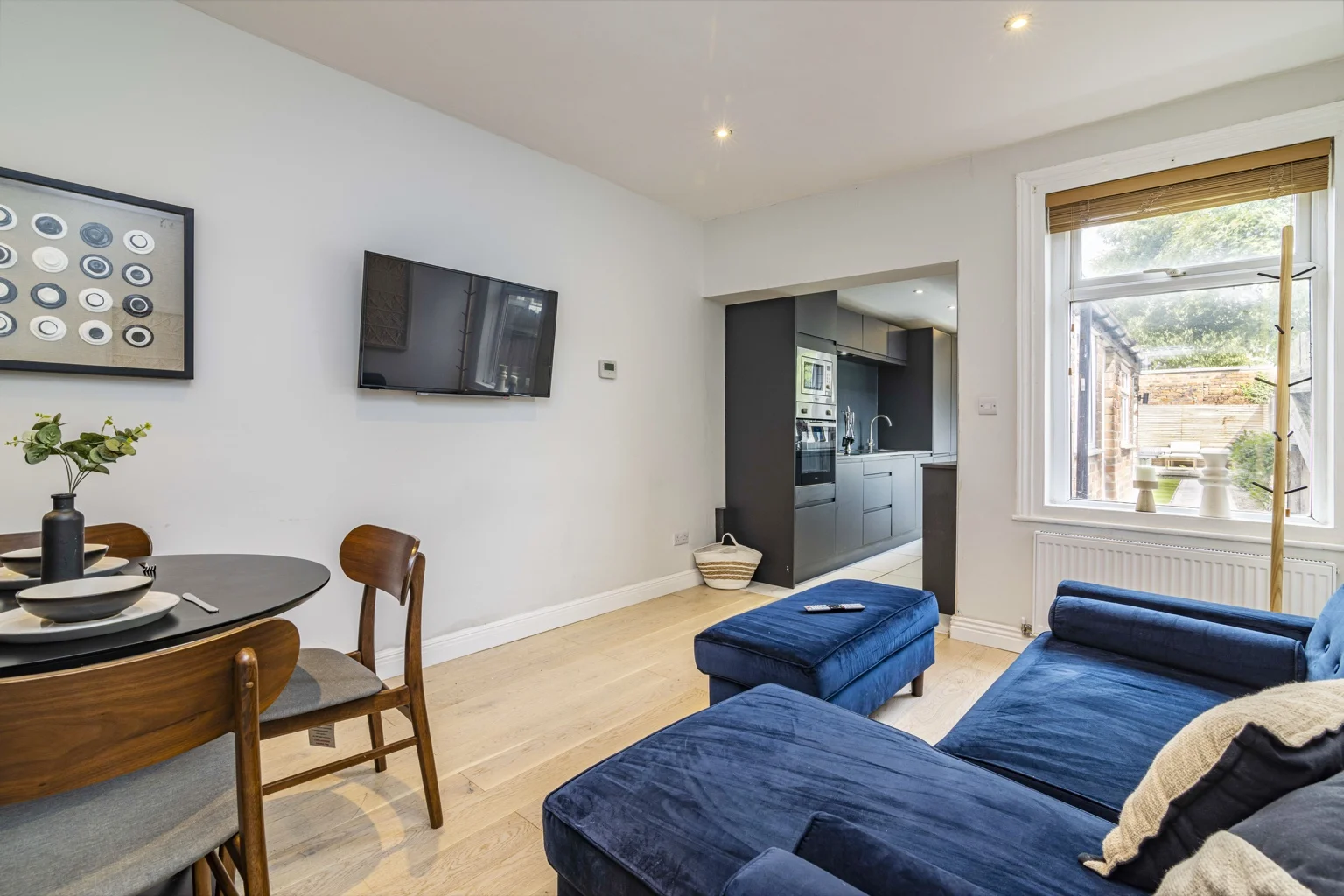
Want to make your student room feel like home without losing your deposit? Here's exactly what your tenancy agreement allows — and the smart ways to personalise your space without the charges.
Everyone wants their room to feel like home. The posters, the fairy lights, the photos — it's part of university life. But personalising your room without thinking about your tenancy agreement is one of the most common ways students end up losing part of their deposit. Here's what you actually need to know, based on what your contract actually says.
Most students never read their tenancy agreement beyond the rent amount and the start date. That's understandable, but it's also how you end up surprised at the end of the year when deposit deductions appear for things you thought were fine.
The clauses that catch people out most often aren't about damage — they're about the small stuff. The poster stuck with blu-tack. The furniture shifted to a better position. The candle lit on a Sunday evening. All of it is covered in your agreement, and all of it can result in charges.
Download our Moving Out Guide to understand exactly what we check at the end of your tenancy — and what it costs when things need putting right.
Let's start with the most common mistake: blu-tack is strictly prohibited under clause 4.4 of the tenancy agreement. Not discouraged — prohibited.
The clause reads that tenants must "not glue, stick or otherwise fix anything to the exterior or interior of the Property without written consent." It goes on to state that the use of blu-tack and similar products is "strictly prohibited."
What about Command strips? They're mentioned in the agreement as an alternative that offers a "damage free guarantee" — but the agreement also states clearly that "the landlord may levy charges regardless of a product's guarantee." So even Command strips aren't a guaranteed safe option without explicit permission.
What to do instead:
Ask your property manager in writing before putting anything on the walls. A quick email is enough — and if they say yes, you have it in writing.
Use freestanding options: photo frames on shelves, a corkboard leaning against a wall, or a clothes rail with hanging polaroids.
Clip lights or fairy lights to furniture rather than fixing them to walls.
Get creative with shelving — a small bookcase can hold frames, plants, and decorative items without touching the walls at all.
The honest truth is that a greasy blu-tack mark or a patch of pulled paint costs up to £85 per wall to put right. Getting permission takes two minutes. The maths is simple.
Clause 4.1 is another one that catches people off guard. Tenants agree not to "move the furniture from its original position."
This means that if you shift the desk to face the window, rotate the bed to better use the space, or push the wardrobe to a different wall — technically, you're in breach of your agreement. At the end of the tenancy, the checkout inspection will identify anything not in its original position, and you could be charged for repositioning costs.
What to do instead:
Work with the layout as it is. Most student rooms are set up to make reasonable use of the space — it's worth giving the original arrangement a proper chance before deciding it doesn't work.
If you genuinely need to move furniture for practical reasons (accessibility, for example), contact your property manager and ask. Most reasonable requests will be accommodated with written consent.
Add to the room rather than rearranging it. A small bedside table, a floor lamp, a folding clothes rail — items you bring yourself that can leave with you when you go.
Clause 10.14 of the agreement is unambiguous: "Any use of naked flames including, but not exclusive to candles, incense sticks or other are strictly prohibited."
This isn't just a deposit issue — it's a fire safety issue, which is why the rule exists in the first place. Student houses are typically HMOs with shared spaces, and a candle left unattended is a genuine risk to everyone in the building.
What to do instead:
Wax warmers and electric diffusers are fine and achieve the same effect. They're also safer and often smell better.
Reed diffusers need no heat source at all and can make a room smell genuinely good without any risk.
Fairy lights and LED lighting do far more for the atmosphere of a room than candles, and they're completely safe to leave on.
Clause 4.19 states that tenants must not "keep or suffer to be kept in the Property any cat, dog, or other pet" without the prior consent of the landlord. If breached, tenants agree to pay a £250 charge for cleaning and/or flea treatment of the property.
This applies to all pets — not just dogs. If you're thinking about a fish tank, a hamster, or anything else that lives in your room, check your agreement and contact your property manager before bringing anything in.
If having a pet is important to you, the right approach is to look for a pet-friendly property from the start.
Clause 3.9 covers this clearly. Smoking is not permitted inside the property. If smoking has occurred and damage has been sustained — discolouration to walls, ceilings, or furnishings — the tenant is liable for the cost of professional redecoration or cleaning.
This applies to guests as well as tenants. If a friend lights up inside your room, that's still your responsibility under the agreement.
The restrictions above are real, but they leave plenty of room to make your space genuinely feel like yours. Here's what works:
Textiles. A decent throw, some cushions, and good bedding transform a student room more than anything on the walls. You bring them with you, they go home with you, and they cost nothing at checkout.
Lighting. The overhead light in most student rooms is functional at best. A good floor lamp or desk lamp makes an enormous difference to the atmosphere of a space. Battery-operated fairy lights are safe, effective, and leave no marks.
Plants. Low-maintenance plants — a succulent, a snake plant, a pothos — add life to a room without touching a single wall. They're also genuinely good for your mood, which counts for something during exam season.
Your own furniture. If your room lacks a bedside table or a mirror, bring your own rather than moving what's there. Flat-pack furniture that arrives and leaves with you is completely fine — just make sure nothing is fixed to the walls or floors.
Rugs. If you have a hard floor, a rug completely changes the feel of a room. Bring one, lay it down, take it when you leave. No marks, no deductions.
Shelving you bring yourself. A small freestanding shelf unit can hold books, plants, frames, and decorative items — all without touching a wall. These are available cheaply at most homeware stores and can go home with you at the end of the year.
Whatever you've added to your room over the year, the end-of-tenancy checklist is where it all matters. Our Moving Out Guide covers this in detail, but the key things for your bedroom specifically are:
Remove all your possessions, including coat hangers
Take down anything from walls and make good any marks
Return furniture to its original position
Clean all surfaces, windowsills, and skirting boards
Hoover under the bed and all furniture
Clean inside windows and blinds
For the full room-by-room checklist, download the Moving Out Guide here.
Your deposit is your money. The rules in your tenancy agreement exist for good reasons — protecting the property, protecting the next tenants, and protecting you from being held responsible for things that were already there when you moved in.
The students who get their full deposit back aren't the ones who never personalised their rooms. They're the ones who did it sensibly — using textiles, lighting, plants, and their own furniture rather than anything that touches the walls, fixtures, or fittings.
Make your room yours. Just make sure it can go back to how it was before you leave.
For more advice on making the most of your student tenancy, visit student-housing.co.uk or contact our team directly.
Tags:
#1 Student Lettings Agency
Student Housing is a top-rated student lettings agency offering fully furnished, bills-included accommodation across Lincoln, Nottingham, and Hull. Run by former students, we provide hassle-free, transparent housing tailored for university life.